

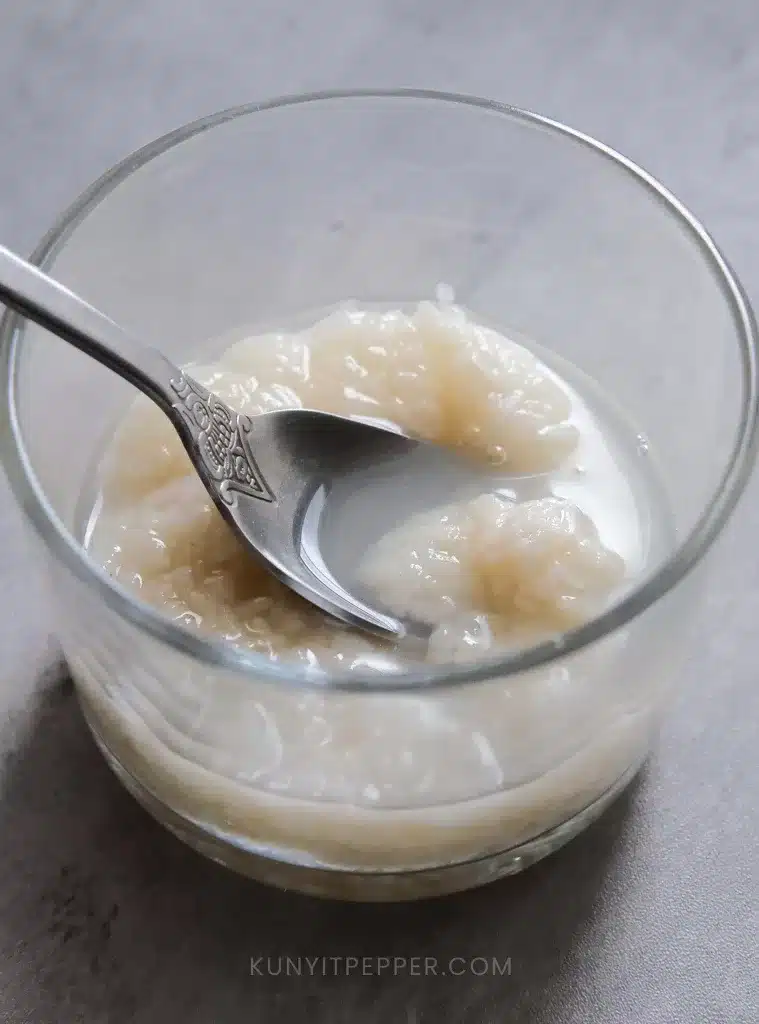
Known as tapai, this rustic fermented rice dessert gets its sweetness from the fermentation of steamed glutinous rice using ragi tapai, a traditional, often homemade starter culture, over one to two nights.
Some would call it ‘Tapai Pulut‘ or ‘Tapai Ketan‘, which means ‘Fermented Glutinous Rice‘.
Growing up in Malaysia, I have often seen tapai served at cultural celebrations, weddings, and family gatherings. It is so refreshing when it’s chilled, and the sweetness can really be addictive.
Table of Contents
- Southeast Asian traditional starchy fermented dessert.
- How is Tapai sweet without sugar?
- Alcohol content in sweet fermented rice.
- Ingredients to make Tapai
- Step-by-Step Guide to Making Tapai / Fermented Glutinous Rice Dessert
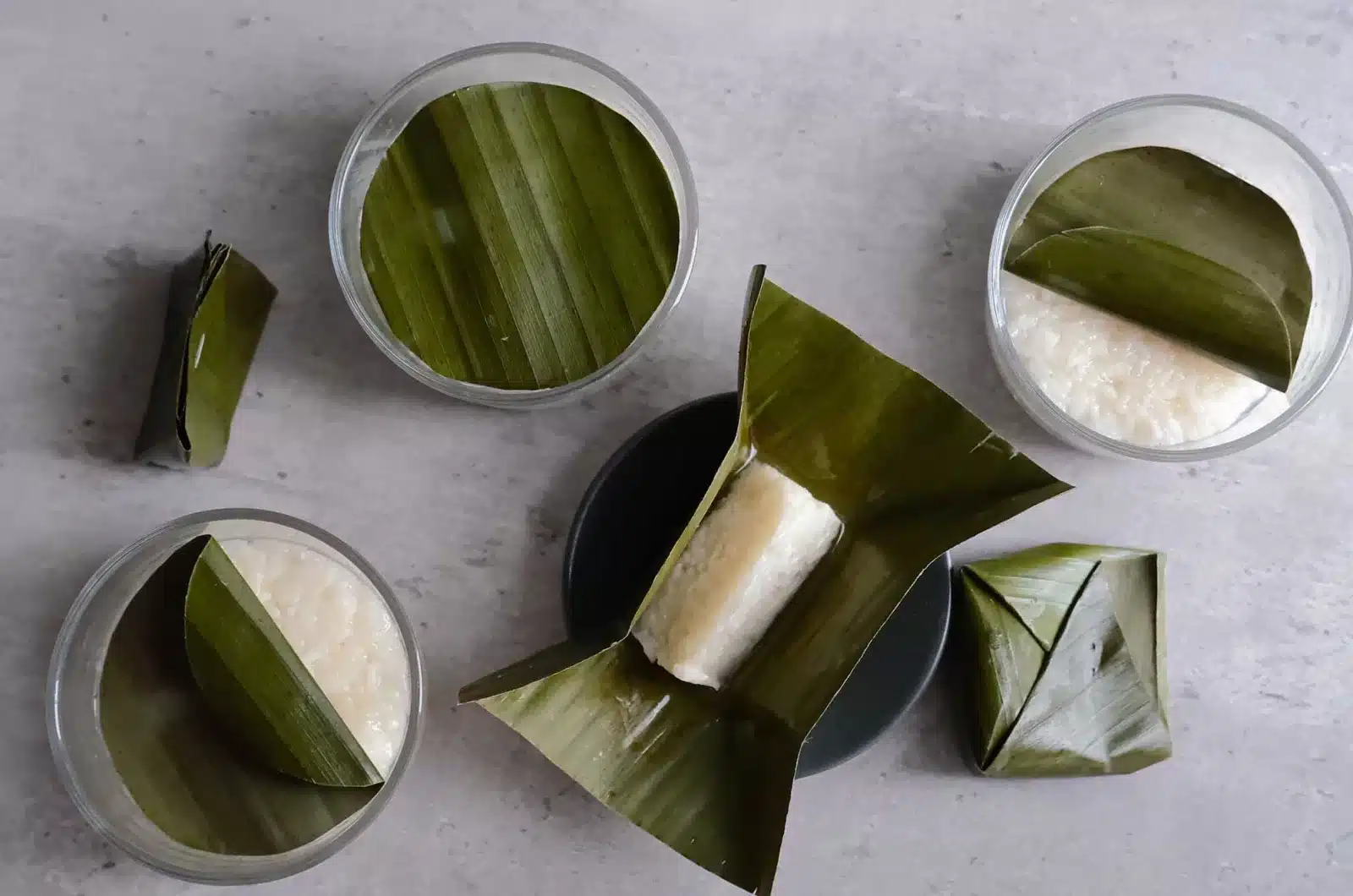
- How to Wrap Tapai in Banana Leaves: A Step-by-Step Photo Guide
- How can you tell if fermented rice has gone bad?
- Super important tips when making fermented rice
- ⚠️ Safety Notes
- FAQs
- Similar Recipe
Southeast Asian traditional starchy fermented dessert.
This fermented glutinous rice dessert is shared between a few Southeast Asian countries. It is said to have originated on the Javanese island in Indonesia (where tempeh originated) and has spread to neighboring countries.
In Indonesia, it’s called ‘Tape‘. In Malaysia, Singapore, and Brunei, it’s known as ‘Tapai‘, similar to ‘Tapay‘ in the Philippines, ‘Khao Mak‘ in Thailand, and ‘Cơm Rượu‘ in Vietnam.
How is Tapai sweet without sugar?
Tapai is a result of starch being broken down into sugar through fermentation. During fermentation, yeast and bacteria from ragi tapi convert the starch in glutinous rice into simple sugars and alcohol, making it slightly alcoholic. Lactic acid is produced during fermentation, adding a bit of sourness to this sweet, glutinous rice.
Alcohol content in sweet fermented rice.
This fermented rice contains a small amount of alcohol, 0.4-0.5%, but it is very low and won’t make you nearly tipsy. Unless you ferment it for a longer time and add more ragi than the recipe suggests.
In Borneo, tapai is also known as rice wine – made in liquid form and left to ferment longer. Like Japanese sake but more rustic.
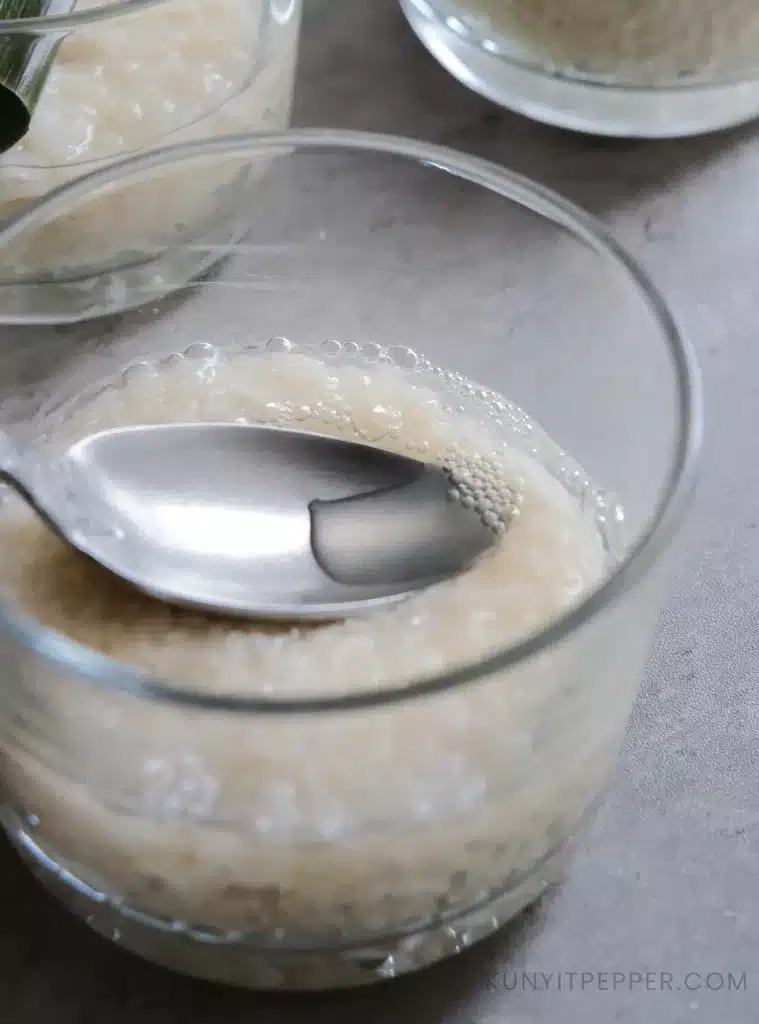
👆 In a cultural context, some people are said to have “special hands” for making good fermented rice, according to my mum. For some people, the rice may turn pink or develop black mould, a sign of unwanted bacteria rather than the good kind.
Since I’ve been making Tapai countless times, I have figured it is not a gift or anything magic but more science, and it’s much easier than I thought! But make sure to read through because, as easy as it can be, there is also a fair chance of failure.
Ingredients to make Tapai
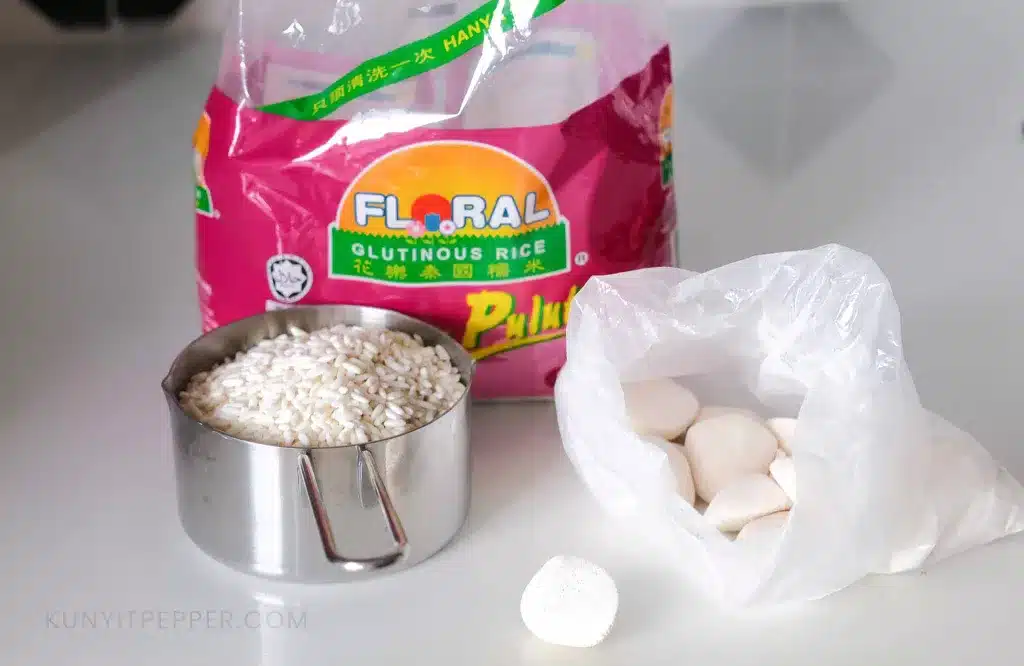
You will need only 2 ingredients to make this fermented sticky rice.
- Sticky rice. Also known as glutinous rice, sticky rice has a higher starch content than normal rice. Do not confuse sticky rice with short-grain rice, they are two different types of rice and cannot be used interchangeably. You can find sticky rice in the Asian or Thai market.
- Starter culture. Known as Ragi Tapai/Ragi Tape, this dry yeast typically comes in a cloudy white round shape. It is a rustic local culture starter from Southeast Asia known for making Tapai, rice wine, and traditional fermented rice cake.
⚠️ Note that ragi tapai is completely different from ragi flour. You can find ragi tapai in an Indonesian mart. If you go to Thai mart, look for ‘Look Pang’ starter.
Step-by-Step Guide to Making Tapai / Fermented Glutinous Rice Dessert
1. Soak and steam the glutinous rice
Start by washing the glutinous rice until the water runs clear. Then, transfer to a bowl filled with water and let the rice soak for at least 4 hours to absorb water. You can also leave it overnight.
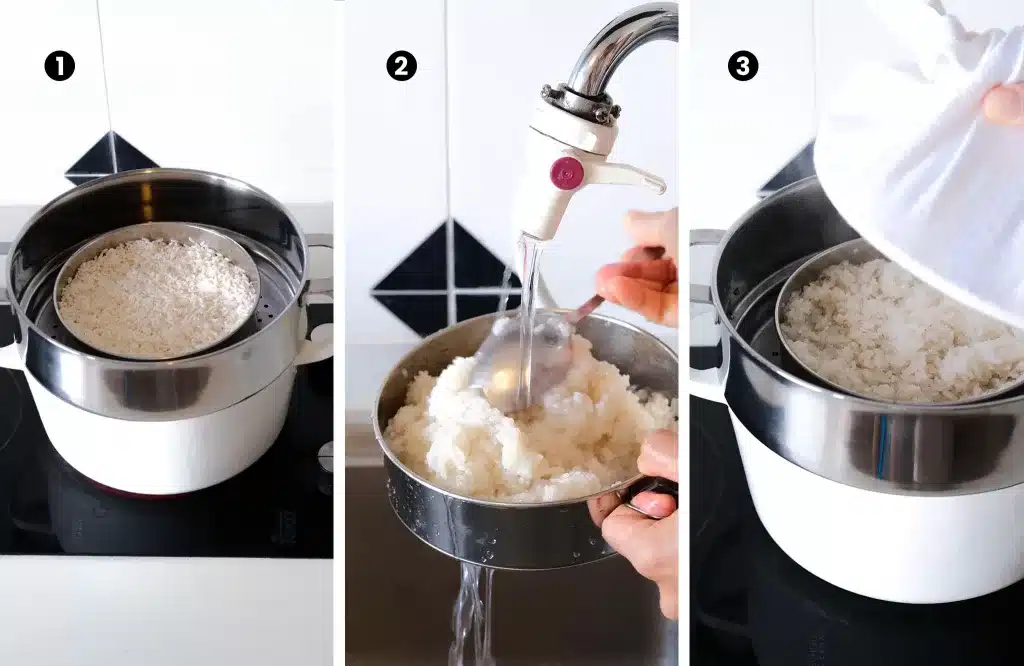
- Fill the steamer pot with water (about 70% full, so you don’t need to add more) and bring it to a boil over high heat. Once boiling, strain the soaked glutinous rice, transfer it to a fine strainer, and place the strainer in the steamer.
Cover the lid with a clean cloth so the water vapor won’t drip on the rice and steam for 25 minutes over high heat. (If you have a bamboo steamer, no need for the cloth.)
- Once the timer is done, using gloves/clippers, move the steamer basket as quickly as you can from the steamer (beware of the hot steam). Run the rice under cold water to add more moisture, then fluff it with a spoon until all the grains are rinsed.
- Then, continue steaming for another 10 minutes. Turn off the heat and carefully remove the strainer from the steamer basket.
2. Leave the steamed rice to cool.
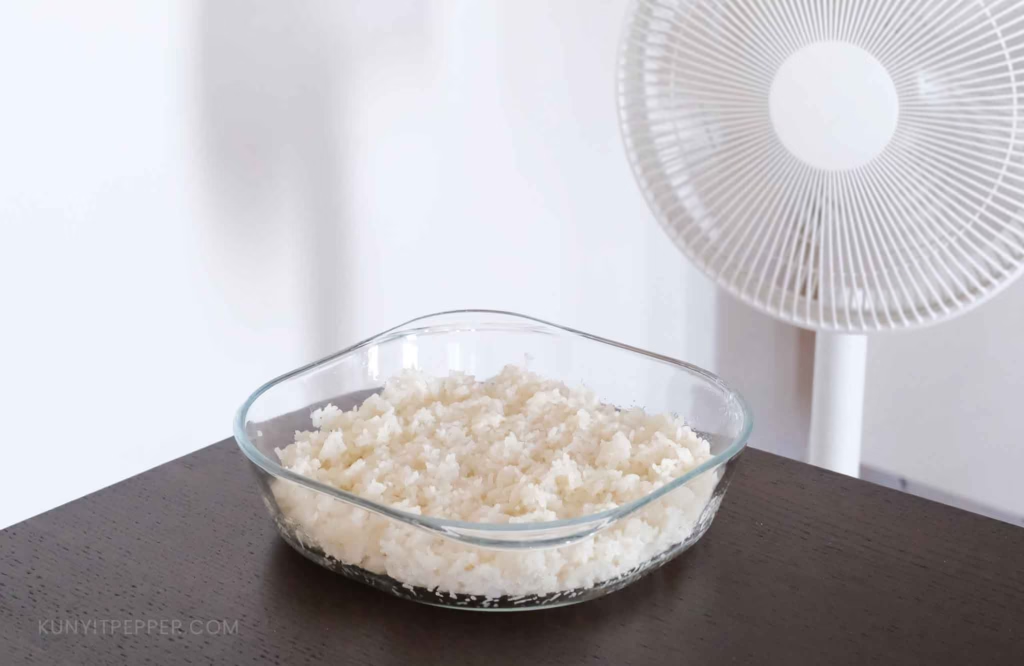
Transfer the glutinous rice to a flat, wide tray and spread it evenly with a spatula. Then leave it to cool on the kitchen rack. I like to place it near the fan to speed up cooling.
3. Once the rice cooled, spread the starter and mix thoroughly
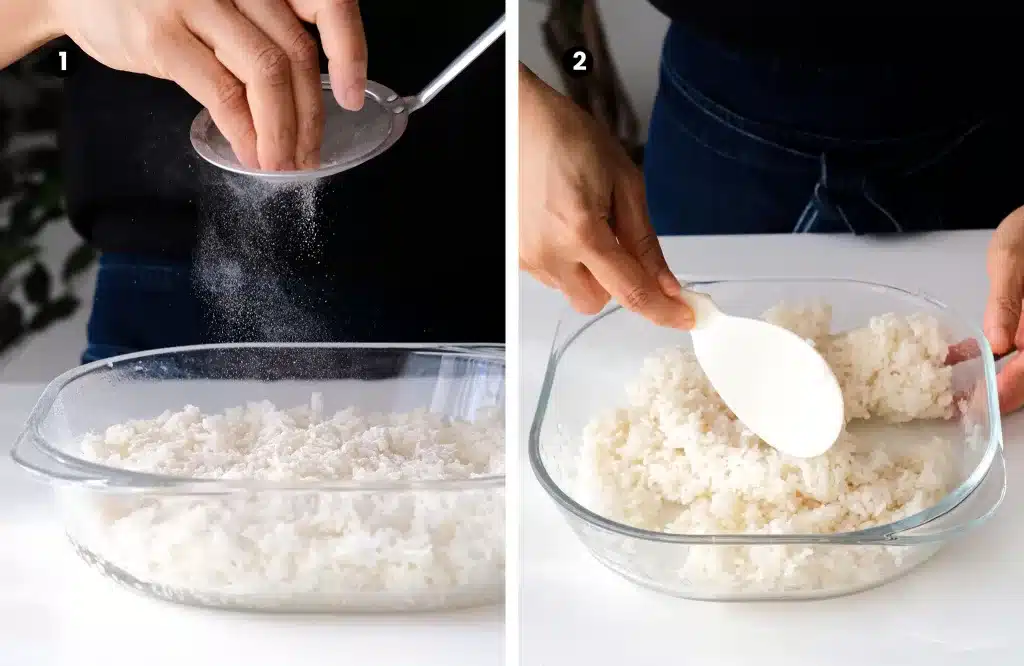
- To ensure the ragi spreads evenly, it’s very important to first turn the ragi into the finest form of powder. You can do so by rubbing the ragi tablet over the fine flour sifter, moving it around to cover all parts of the rice.
- Optionally, you can also blend it in a dry blender before sprinkling.
- Gently mix them with a spatula until fully incorporated. Try not to break the rice while at it. If the rice is too dry, consider sprinkling a little water (optional).
4. Pack them in containers or wrap them in leaves.
Because tapai is quite sweet and best enjoyed in small portions, it’s usually packed in small containers or wrapped in leaves.
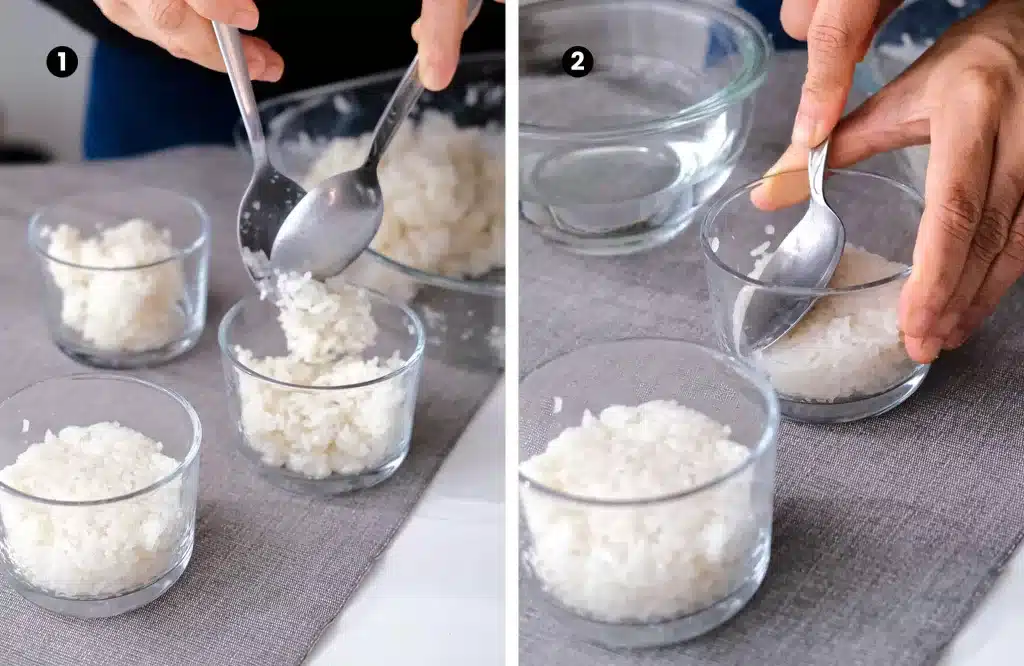
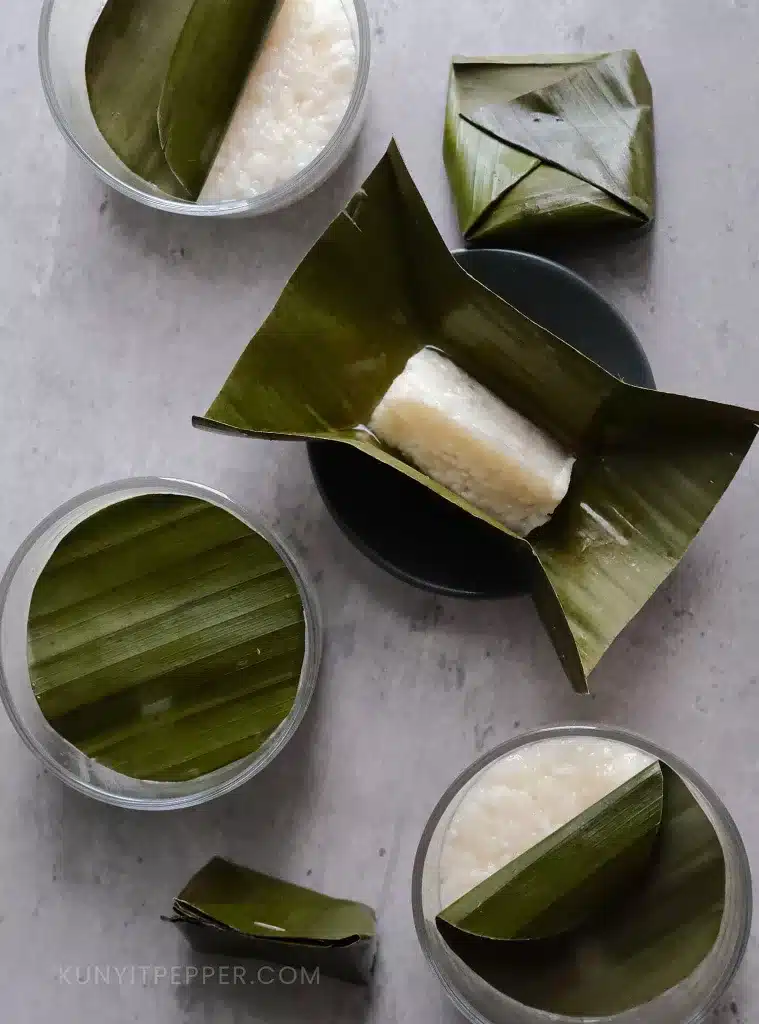
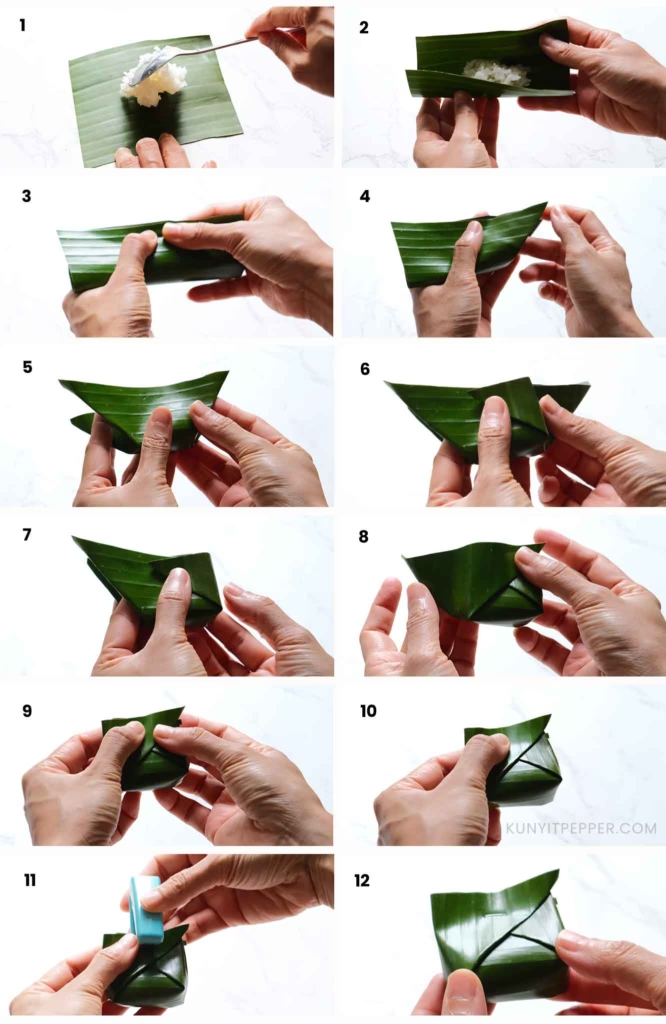
If you’re using containers, scoop the rice into clean jars or containers, and press it with a clean, wet spoon to tightly compact it. (Scroll below to see how to wrap tapai with banana leaves).
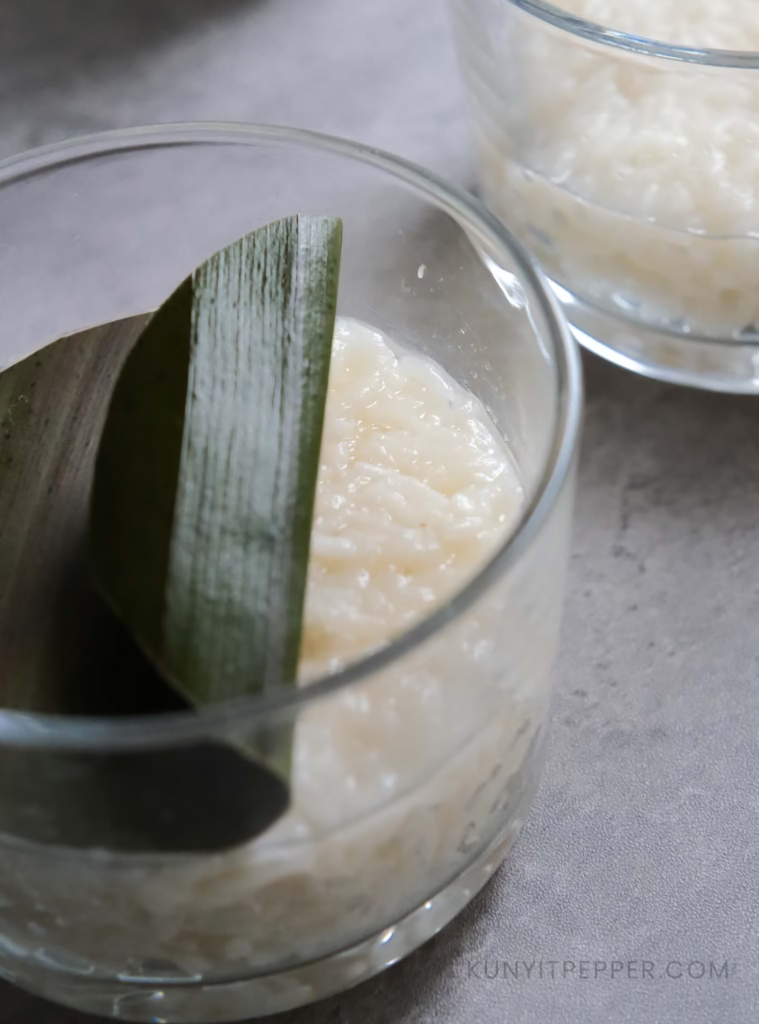
Lay a piece of cling wrap/banana leaves directly on top of the rice to prevent air from coming into contact with it before you cover it with a lid. IMPORTANT NOTES: Exposed surfaces can develop white mold.
If you live in Southeast Asia and banana leaves are accessible to you, consider wrapping them in leaves to enjoy it traditionally and maybe benefit from the plant compounds.
5. Leave it to ferment
Leave them to ferment in a dark, warm place or at room temperature for 2 nights (48 hours). My room temperature is about 23-27 °C, and I normally place it in the cabinet.
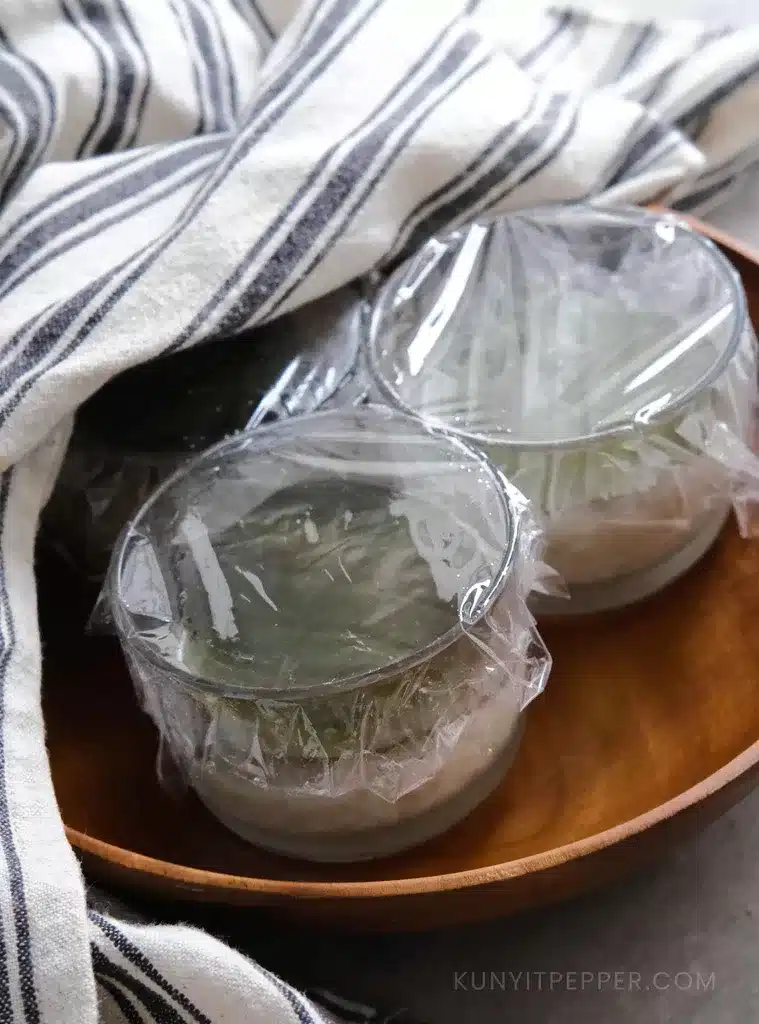
Once ready, open the containers or jars. If the rice appears white, watery, and has a sweet, slightly alcoholic smell, it’s ready to enjoy. Transfer them to the fridge and enjoy them chilled within a week.
How to Wrap Tapai in Banana Leaves: A Step-by-Step Photo Guide
How can you tell if fermented rice has gone bad?
- If there’s black mold on the surface, throw it out immediately.
- The pink mold is also a clear indicator of contamination.
- If you see the fermented rice fully covered with white spider web, it is inedible. This might indicate undercooked glutinous rice, uneven ragi, or insufficient moisture.
Super important tips when making fermented rice
- Use fresh ingredients – use new glutinous rice instead of the one stored in a cardboard box for years. The same goes for the ragi. Different brands of ragi yield different yeast and bacteria, which may affect the flavor and the success of your fermented rice. Buy ragi from a trusted source or with good reviews.
- Test the ragi – Because of the reason above, I suggest testing the ragi by starting with a smaller portion before committing to a big batch.
- Cool the glutinous rice well before spreading ragi. Yeast is a living microorganism that can’t survive at high temperatures. Sprinkling them onto hot rice will just kill the yeast, and so the fermentation won’t work.
- Spread the ragi evenly – make sure it’s in its finest powder form when you spread. Do not skip rubbing the tablet onto the flour sifter or tea strainer when sprinkling it onto the glutinous rice. Mix them with a spoon until you’re confident it’s thoroughly mixed. If you’re making a big batch, blend the ragi in a dry blender before sifting.
- The correct recipe is very important. Too much ragi can result in too acidic or higher-alcohol taste.
- Ferment it right – The incubation period and temperature strongly influence the flavor and alcohol level of the fermented rice. Too long or too hot of temperatures can alter the alcohol and acidity levels in the rice, which will affect the quality and taste of your Tapai.
- Clean tools – Just like making any other fermented foods, clean tools are crucial to avoid contamination. Make sure all containers, dishes, and utensils are clean during the process. If you use banana leaves, consider wiping both sides with a clean, damp towel. The cleanliness of your hands is also important.
⚠️ Safety Notes
Avoid eating Tapai if you are pregnant or can’t eat fermented food in general. If you are diabetic, you might want to ask for advice from your doctor on the portion that is safe to take.
FAQs
No, they are two different things. In Bahasa, ‘Ragi’ refers to ‘starter culture.’ Ragi Tapai is made from rice flour or Cassava flour (sometimes a combination of both) mixed with local spices and is primarily used for making Tapai and rice wine. Ragi flour is a type of flour made from millet grain.
Sticky rice, also known as glutinous rice, is higher in starch than everyday rice like Jasmine, Basmati, and Japanese rice. It is stickier and denser, with a cloudy white color, compared to regular rice, which is more transparent. Sticky rice is widely used in Southeast Asian countries, especially in cultural celebrations. A common food that uses glutinous rice is Thai Mango sticky rice.
Yes, Tapai contains a small amount of alcohol (0.4-0.5%). The longer the Tapai is fermented, the higher its alcohol content.
Yes, Tapai contains lactic acid bacteria that can act as probiotics.
Similar Recipe
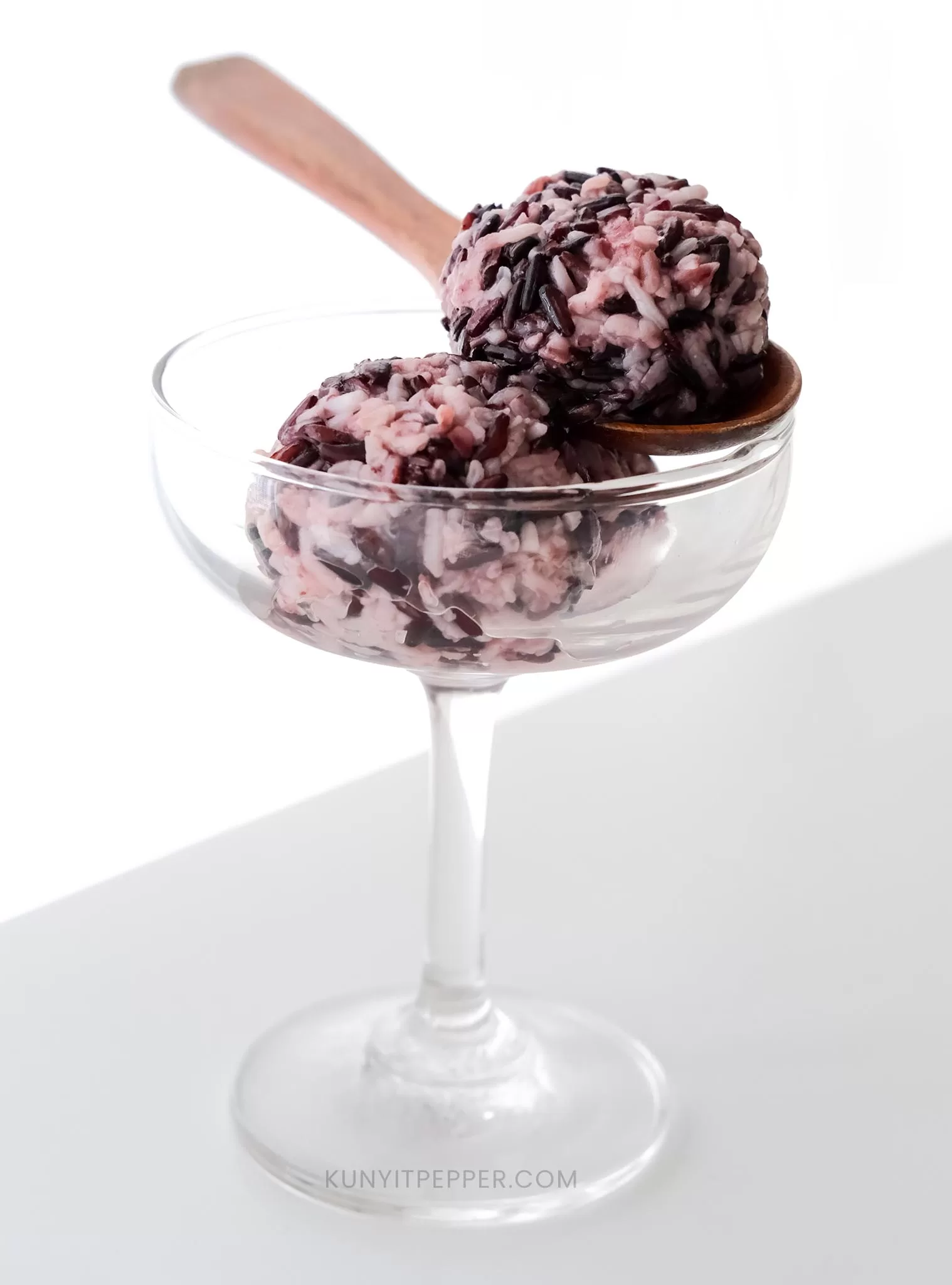
Southeast Asian Sweet Fermented Rice – Tapai / Tape / Khao Mak
This traditional sweet fermented rice dessert, made with glutinous rice and a rustic starter culture (ragi tapai), is a beloved Southeast Asian dessert.
35
minutes48
hours4
hoursIngredients
2 cups Glutinous Rice
1/2 tablet or 2g of Ragi Tapai – (Tapai starter)
Banana leaves (or cling wrap) to cover
Directions
- Prepare the glutinous rice to cook – Scroll the photo above for a visual and a more detailed guide
- Wash the glutinous rice until the water runs clear. Transfer to a bowl filled with water and soak for at least 4 hours. You can also leave it overnight.
- Boil water in a steamer, then steam the rice for 25 minutes (1st steaming). Once the timer is done, use a clipper or gloves to carefully remove the steamer basket, then run cold water over the rice to add more moisture. Fluff the rice with a spoon, making sure all the grains touch the water. Then continue to steam for another 10 minutes (2nd steaming).
- Cool the rice
- Once the glutinous rice is soft and fluffy, transfer it to a flat tray. Gently spread the rice across the tray with a spatula, without breaking it. Let it cool for about 30 minutes -1 hour. I suggest leaving them under a fan.
- Sprinkle the ragi
- Spread the ragi evenly onto the rice. It is very important to first grind the ragi into the finest powder. You can do it by rubbing the ragi tablet over the fine flour sifter or tea strainer, moving it around to cover all parts of the rice. Or blend it in a dry blender before sprinkling.
- Once the top of the rice is evenly covered with ragi, mix it thoroughly with a spatula.
- Pack the rice
- Scoop about 1–3 tablespoons of rice into small, clean jars or containers (or wrap in banana leaves). Using another clean spoon dipped in clean water, press the rice down firmly to compact it. Lay a piece of banana leaf or cling wrap cut to fit the container on top. Make sure there is no space between the rice and the leaf or wrap, as oxygen can promote unwanted bacterial growth.
- Fermenting
- Place them in a dark, warm place (23-27 °C) and let them ferment for 2 nights (48 hours).
- After 2 days, check your fermented rice, if it’s watery with a sweet and slightly alcoholic smell without any mold, it’s safe and ready to eat. Transfer to the fridge to keep it cold and consume within 1 week.
Notes
- Once fermented, always keep tapai refrigerated to prevent over-fermenting




6 Responses
Hi i’m vietnamese, we have a version of this too and I love the way you do single portions I HAVEEE TO TRY THAT. And the idea of wrapping portions in banana leaf is so beautiful. Would you wrap the rice at the same stage where it gets packed into the containers?
Hi, thank youuu and I’ll mention the Vietnamese version in this post too! Yes, it’s usually wrapped in banana leaf (or rubber tree leaf) at the same stage you’d pack it into containers. I love that it gives subtle leaf aroma to the rice, give it a try!
I tried this recipe and it turned out beautiful, super fragrant and clear liquid but the (washed, frozen) banana leaf itself got moldy, do you think it’s because I didn’t use fresh leaves? Trying this again soon ^^
Hey, I’m glad you liked it! I have never tried using frozen banana leaf, but my guess is, it might be the extra moisture from the washed and defrosted leaf. The mold on the leaf happened to me once, I wiped the leaf with a damp cloth and used it straightaway without drying it first. Maybe try leaving the leaf completely before using. Or try a small portion in containers to see if the banana leaf is really the issue. I’m curious to see how the next one goes! 🙂
I do not live in Malaysia, and hav no access to the tapai ragi. Do you know of any other kind of yeast that I can use for this? Thank you.
Hi, unfortunately, there’s no substitute for ragi when it comes to making tapai. It is available on Amazon and ebay, maybe give it a try!