

About This Chopped Pickled Vegetable
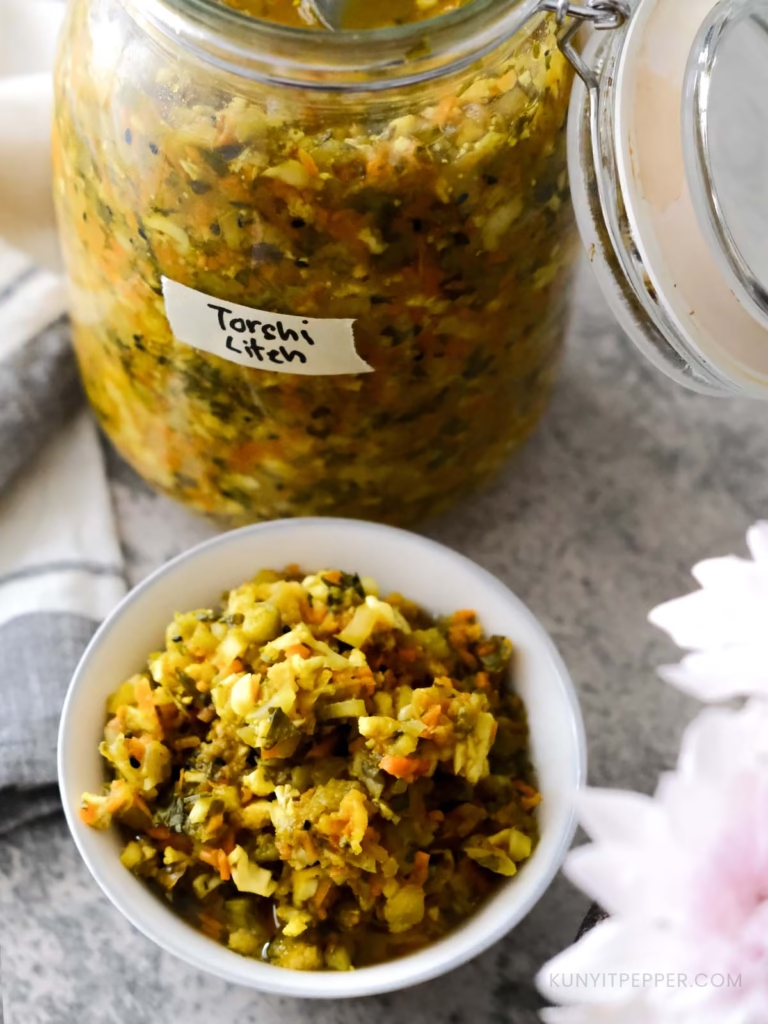
Torshi liteh is a common side dish in Persian cuisine, served especially next to meat-based dishes, kebabs, rice, and stews. The tanginess and fragrance of these chopped pickled vegetables help balance the heaviness of many meat-based dishes and stews. Just like having some mustard next to a steak, these pickled mixed vegetables add a bold and refreshing flavor to most rice dishes.
Table of Contents
- About This Chopped Pickled Vegetable
- How Persian Chopped Pickled Vegetable Is Made
- About This Torshi Liteh Recipe
- What To Eat With Chopped Pickled Mixed Vegetables
- Torshi Liteh as a Substitute for Processed Condiments
- Ingredients and substitution
- Benefits of Persian Chopped Pickled Mixed Vegetables
- What to Expect From This Chopped Pickled Mixed Vegetables
- Is This Torshi Liteh Recipe Authentic?
- How To Store Torshi Liteh
- Recipes To Pair Chopped Pickled Vegetables With
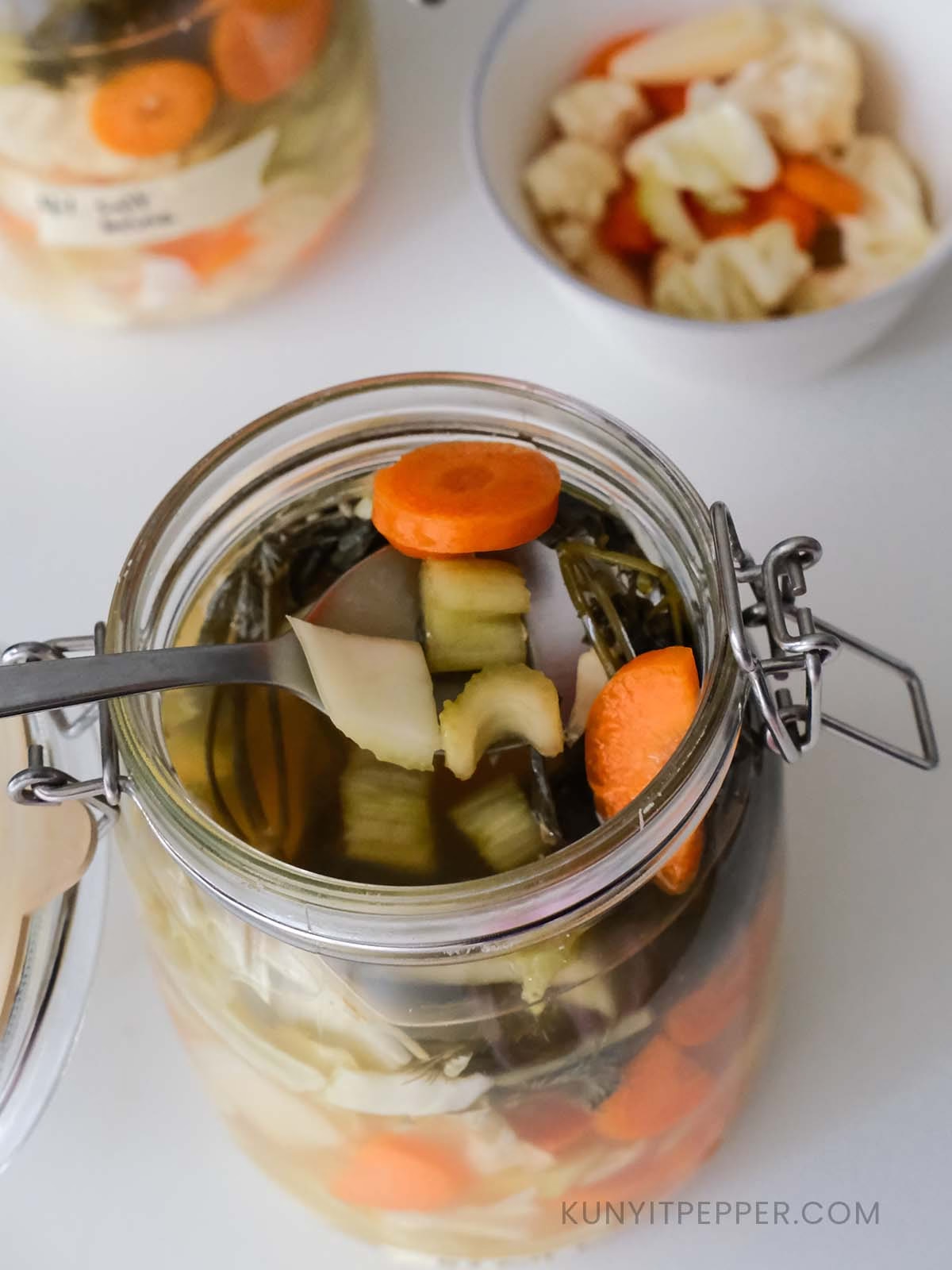
- Other Persian Torshi Recipe You Might Like
My Persian in-laws always keep a jar of homemade torshi liteh in the refrigerator, usually gifted by a relative. During my visits to Tehran, I used to be the one who helped to scoop the torshi liteh into a small bowl to serve with our meals.
That’s when I learned how this vegetable-packed condiment can be a simple, everyday side dish that balances rich flavors while giving you a wholesome alternative to store-bought condiments.
How Persian Chopped Pickled Vegetable Is Made
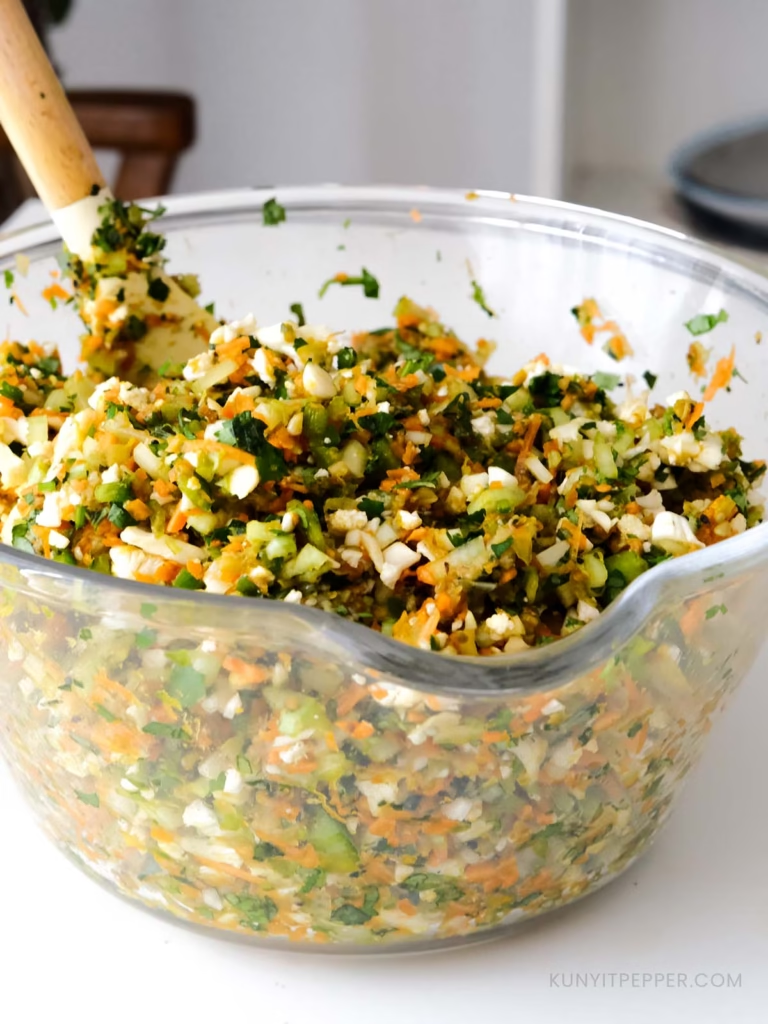
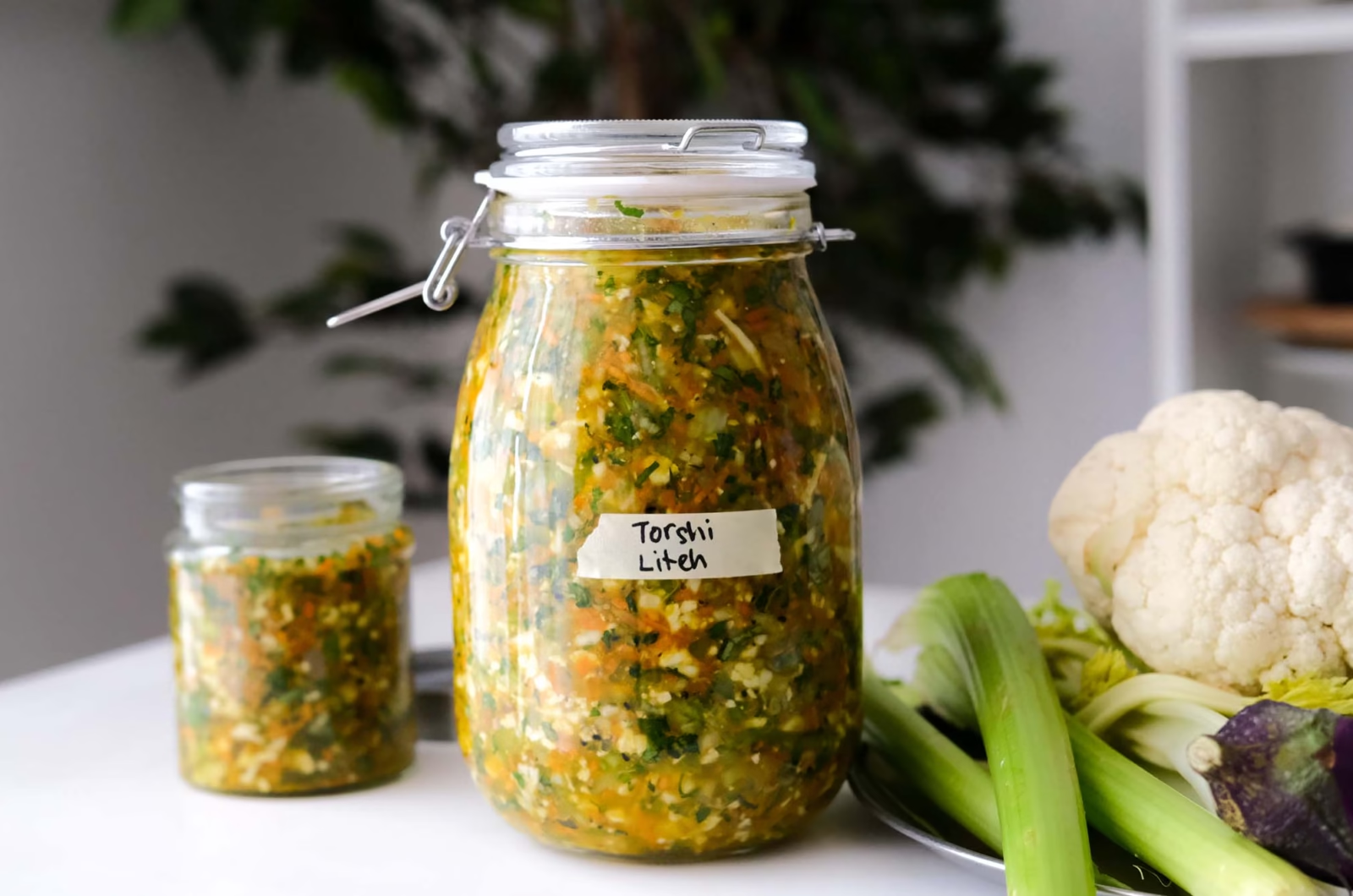
Torshi liteh is made by mixing cooked eggplant flesh with finely chopped (or coarsely ground) vegetables until it reaches almost a paste-like texture. A generous amount of herbs (fresh or dried), together with spices and black cumin seeds, is added for aroma and flavor. Unlike many pickles where herbs are used mainly to infuse flavor, the herbs in torshi liteh are also meant to be eaten.
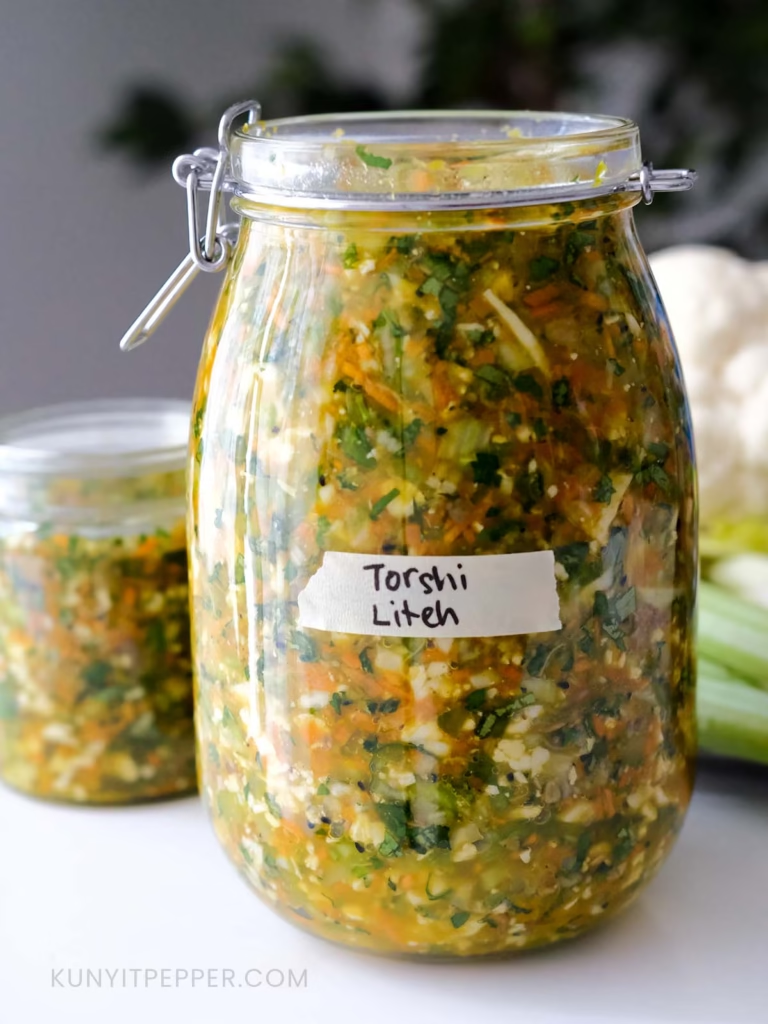
These mixtures are then packed into a jar and filled with a mild vinegar (traditionally, grape vinegar is used) before being left to ferment at room temperature for a week. The result is a savory, tangy, and fragrant chopped relish that gives an instant flavor boost with just a small scoop.
About This Torshi Liteh Recipe
In this recipe, I follow the exact recipe and method my husband’s aunt uses when making the torshi liteh. She used to make torshi liteh in bulk and supply it to my in-laws’ family, and since the family has loved the recipe for decades, I had to ask for her recipe to keep it in my kitchen. I have also included substitutes for some ingredients, though not all can be substituted if you’re aiming for the authentic taste.
What To Eat With Chopped Pickled Mixed Vegetables
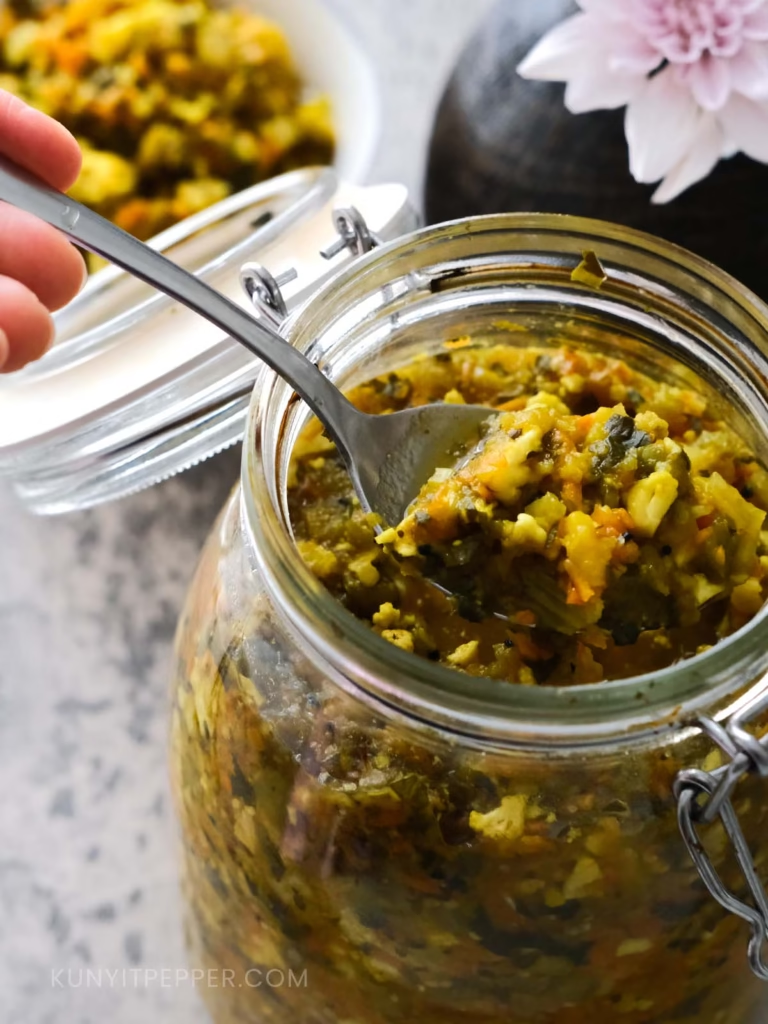
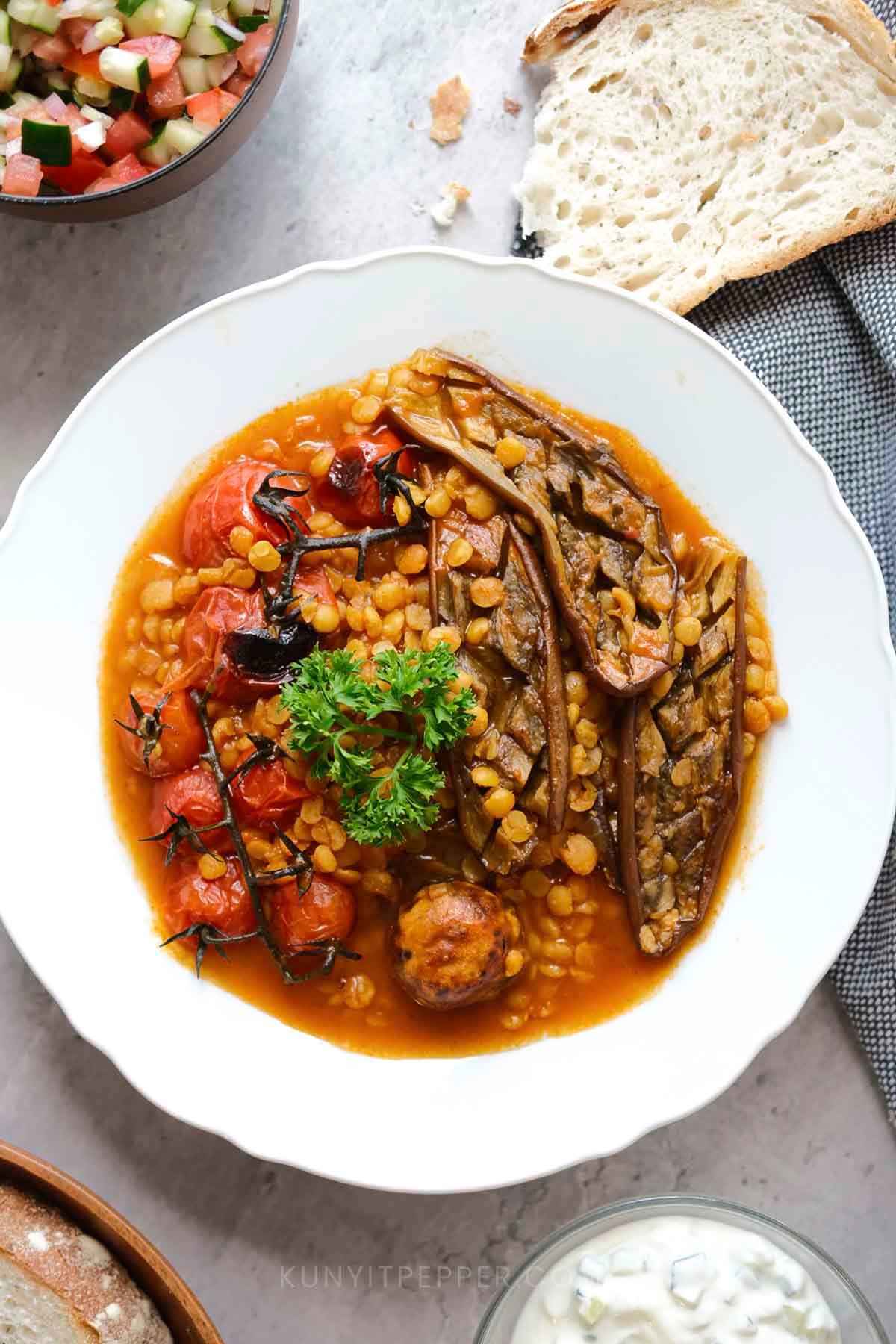
I have tried a few authentic homemade Persian pickles paired with different dishes at several family gatherings during my visit, including Persian spaghetti (makaroni), meat and chicken kebabs, and soups. Trust me, just a small teaspoon makes such a difference. My favorite pairing is with this legume stew or yellow split pea stew (gheimeh). And since I make Gheimeh often in my own kitchen, I can’t imagine having it without the added tang from this pickle. Other than Middle Eastern dishes, here’s how you can enjoy it.
- Serve it as a side dish. Whether you’re making rice dishes, brisket, or serving barbecue, these pickled mixed vegetables make a great side for an extra burst of tanginess.
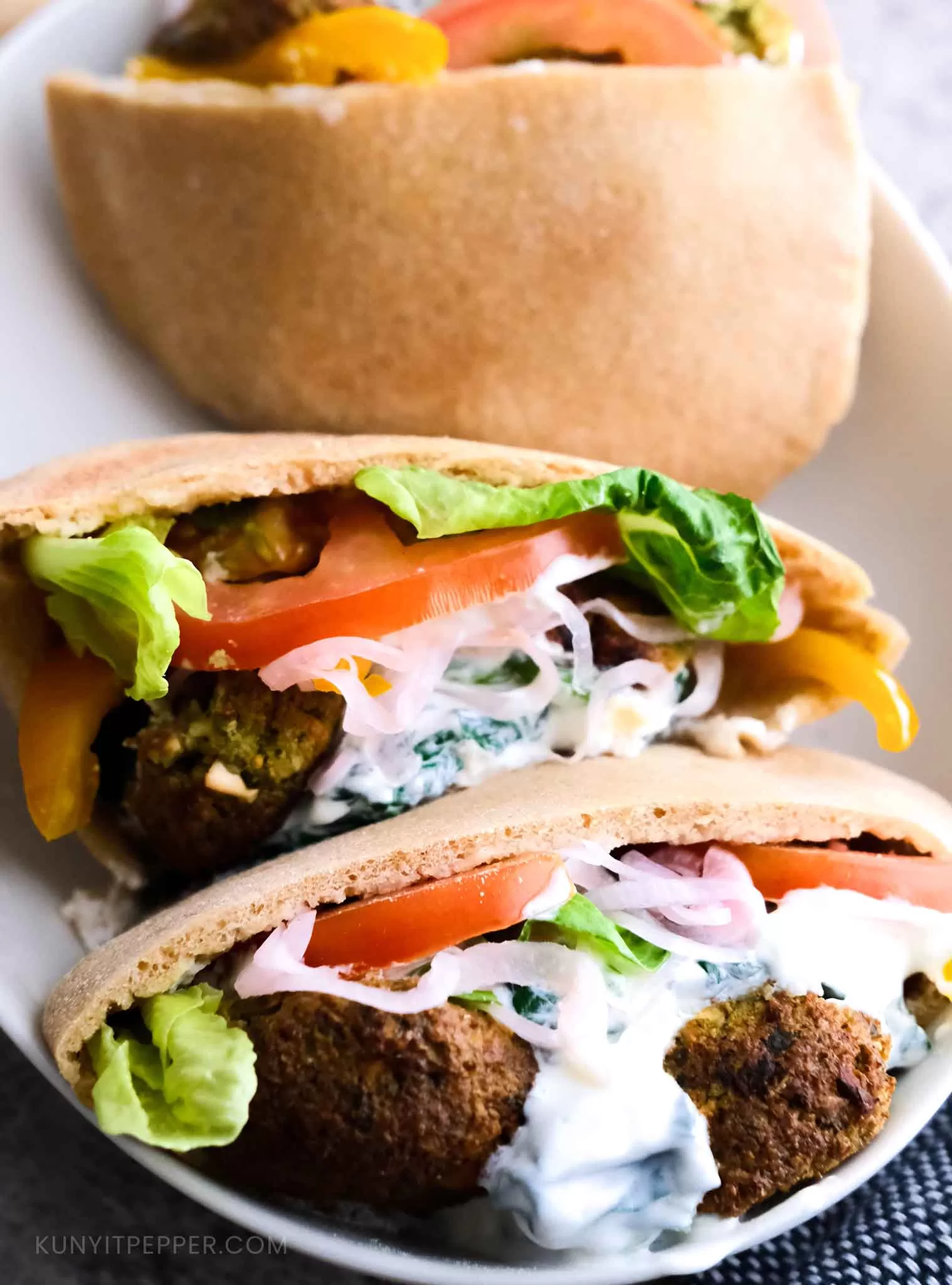
- Add it to sandwiches. This is my favorite way to enjoy torshi liteh. It’s delicious with almost any protein-based filling, including meat, ham, chicken, tuna, or even eggs! For a vegan option, try it in my falafel sandwich.
- Stir it into salads. Since it’s packed with flavor, it adds a bright tang and a fresh herbal note to just any salad. My favorites are tuna salad, potato salad, chicken salad, and chickpea salad.
Torshi Liteh as a Substitute for Processed Condiments
While trying to cut back on processed condiments, I found myself adding these pickled vegetables to my everyday meals. They’re especially great with bread-based dishes like sandwiches, quesadillas, and kebab wraps. I also like adding them to tuna salad or tuna sandwiches to help tone down the fishy flavor. You can even use torshi liteh instead of capers in many recipes.
Ingredients and substitution
Vegetables
- Cauliflower
- Eggplant
- Carrot
- Celery
- Capsicum (or 6 green chilies)
- Apple
Herbs
Prioritize fresh herbs if possible, they make a refreshing flavor. Use the dried version as a second option.
If you can’t find every herb listed, don’t worry. Even a combination of coriander, parsley, and dill will still make a delicious torshi liteh.
- Coriander
- Tarragon
- Dill
- Savory (optional)
- Mint (optional)
- Parsley (optional or can be used to swap any from above)
Seasoning – powdered
- Salt
- Ground black pepper
- Turmeric powder
- Cumin powder
- Coriander powder
- Black cumin seed (or known as Nigella sativa or Habbatus Sauda)
- Grated garlic
- Golpar (Persian hogweed) – This flower gives torshi liteh its authentic flavor. If you can’t find it, simply leave it out.
Vinegar to use
- Red vinegar – Authentic torshi liteh uses red vinegar, which is a grape-based vinegar. It’s fruity and milder compared to apple cider vinegar and white vinegar.
The closest substitute to Persian red vinegar is red wine vinegar.
Note: I have tried using rice vinegar, and it works too. I think white condiment will be just as nice since it’s on the sweeter and milder side
Benefits of Persian Chopped Pickled Mixed Vegetables
- Lower in salt than many brine-pickled vegetables – torshi liteh uses vinegar as the primary preserving liquid, so it is typically less salty.
- A naturally sugar-free condiment – It adds flavor through tanginess, herbs, and vegetables rather than added sugar, making it a sugar-free condiment.
- A quick way to add flavor – A spoonful of torshi liteh can do so much to wraps, grilled meats, rice dishes, salads, and more. No need for processed sauce
- Naturally fermented – Torshi liteh contains beneficial microorganisms during the fermentation process. Note that too much vinegar can remove these live cultures.
- Packed with herbs and vegetables – Made with eggplants, herbs, garlic, and a variety of vegetables (and fruit too), torshi liteh is packed with polyphenols and other beneficial plant compounds.
What to Expect From This Chopped Pickled Mixed Vegetables
Expect a bold combination of tangy vinegar and fresh, aromatic Persian herbs (tarragon, coriander, golpar). Coming from Southeast Asia, where pickles tend to be sweeter, I found Persian pickles surprisingly acidic at first. It took me a while to get used to the vinegary flavor, but over time, it actually helped me rely less on sweetness in my meals.
If you’re used to sweeter pickles, be prepared for a bigger kick from the sourness and herbs. But if you’ve enjoyed Middle Eastern or Mediterranean pickles before, there’s a good chance you’ll love torshi liteh. It pairs really well with grilled meats, sandwiches, wraps, tuna salad, and any rich dish that could use a fresh, tangy contrast.
Is This Torshi Liteh Recipe Authentic?
This recipe stays close to traditional Persian pickles you’ll find in Iran. In fact, it comes directly from a family member in Tehran who has been making it for decades, and I’ve adapted it only where necessary to make it easier to follow.
I know the ingredients can be a lot, but trust me, it does make tons for you to keep for a long time, probably a year. Just be sure to follow the step-by-step instructions carefully, since this recipe uses fresh vegetables, you don’t want to risk mold growing on your ingredients.
How To Store Torshi Liteh
- During fermentation, store it in a dark place at room temperature. My room temperature is around 25-30 °C, if yours is colder, expect a longer fermentation time.
- After fermentation, transfer it to the refrigerator. It will still continue fermenting but much more slowly.
- Always cover the jar tightly and don’t let it stay at room temperature for more than 2 hours.
- Use a clean utensil to prevent it from spoiling.
Recipes To Pair Chopped Pickled Vegetables With
Other Persian Torshi Recipe You Might Like
Persian Chopped Pickled Mixed Vegetables (Torshi Liteh)
Fermented vegetable pickle with eggplant. This Persian relish is made with tons of veggies and herbs that pack flavor and antioxidants.
2
liters1
hour2-3
weeksIngredients
- Vegetables
1/4 Cauliflower
5 Eggplant
2 Carrot
4-6 stalk Celery
1/4 Capsicum (or 6 green chilies)
1 Apple
- Fresh Herbs (about 1cup chopped)
20 g Coriander
20 g Tarragon (or 5 tsp dried)
10 g Dill (or 3 tsp dried)
10 g Savory (or 3 tsp dried) – Optional
10 g Mint (or 3 tsp dried) – Optional
- Seasonings
1 cup Vinegar (see variation above) – As much as the vegetables are submerged.
2 tbsp Salt
1/2 tsp Ground black pepper
1 tbsp Turmeric powder
1 tsp Cumin powder
1 tsp Coriander powder
1 tbsp Black cumin seed
19 g Grated garlic
1 tbsp Golpar powder (Omit if you can’t find it)
Directions
- Wash all the vegetables and herbs and leave them to dry.
Leave them for at least 1hour under the fan, in the sun, or on the kitchen counter overnight. Make sure the veggies are fully dried before you grind or chop them. - Cook the eggplants
Cut the eggplants in half or quarters. Transfer the eggplant to a pot, then bring it to a boil in vinegar until soft. You can also air fry them (without any oil) for 10 minutes at 200 °C or until soft. - Peel and chop eggplants
Once cool enough to handle, peel off the skins or scoop the flesh from the skin with a spoon. Then chop the eggplant flesh thinly. - Chop or coarsely grind the rest of the vegetables and herbs
Finely chop all the vegetables by hand, or pulse them in a blender until they are coarse, not watery. If using a blender, cut them into large chunks first and blend in batches if needed to avoid overgrinding. - Mix in the seasonings
Transfer the chopped veggies into a bowl, and add all seasoning (except for vinegar). Mix well with a spatula. - Transfer the mix into a sterilized jar (2 liters) and pour in vinegar
Press the vegetables down with the back of a spoon, make sure they are fully submerged in the liquid. - Leave it to ferment in a dark and warm place for 1-2 weeks.
If you use an airtight jar like mine, burp it every 3 days to release the pressure. If the mixture seems drier, press it with the back of a spoon until fully submerged again. - Transfer the jar to the refrigerator.
Your torshi liteh is ready to enjoy. The veggies will still continue fermenting in the fridge but slower.
Equipment
- Half Gallon Mason Jar Check on Amazon
Notes
- If you prefer it slightly sweeter, enjoy it early (by the 4th day, it starts to bubble and tastes sweeter). The longer you ferment, the more acidic it will get.





)